
Unlocking the Benefits of Weed Mapping and Prescription Maps for Effective Spot Spraying
- Jonathan Fairlie
- Jun 2
- 3 min read

In agriculture, the battle against invasive weeds is ongoing and impacts every farmer and land manager. Traditional weed control can be inefficient and often harms the environment. Fortunately, innovative techniques like weed mapping and prescription maps for spot spraying are changing the game. In this blog post, we will explore the advantages of these practices by presenting clear examples and statistics that underscore their impact on effective weed management.
Understanding Weed Mapping
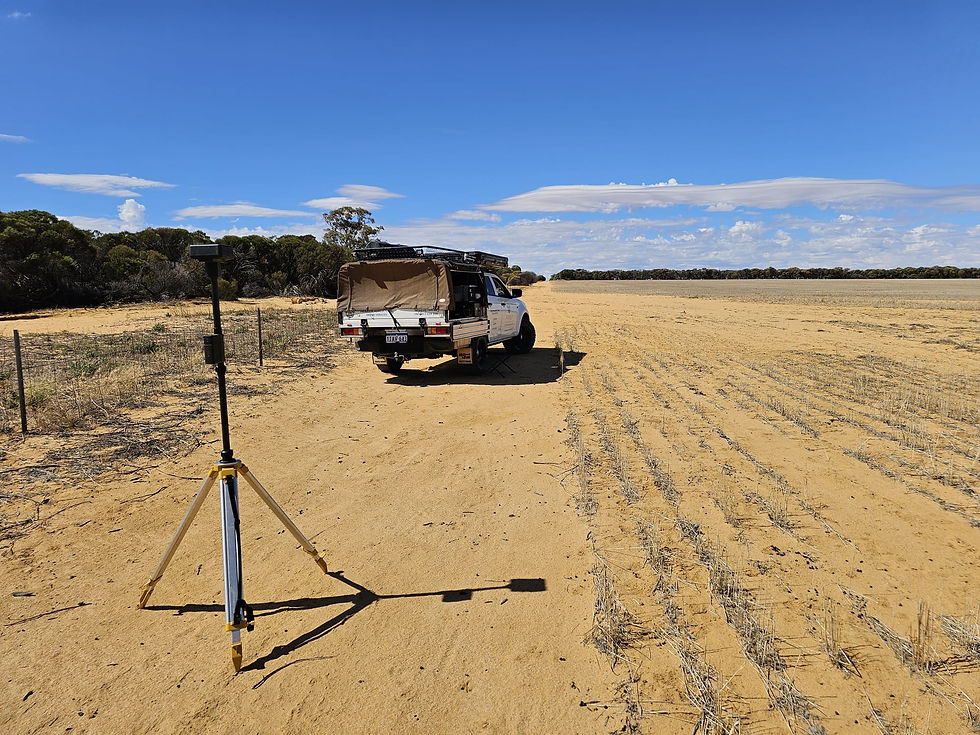
Weed mapping is the process of identifying and recording where different weed species are found in a given area. Various methods, such as drone imagery, tracking, and on-the-ground surveys, help collect this data. By generating a thorough map, land managers can pinpoint weed concentrations and make informed decisions.
Consider a farm that previously used a one-size-fits-all approach, applying herbicides across its entire 100 acres. After implementing weed mapping, they discovered that 15% of their land accounted for 70% of all weed presence. By focusing their herbicide application on this specific area, they not only saved resources but also enhanced their control measures, showing how targeted interventions can lead to better outcomes.
Advantages of Creating Prescription Maps
Prescription maps take weed mapping to the next level. They detail not only where the weeds are located, but also recommend the best application rates and methods for herbicides. These maps utilize collected data to create tailored weed management strategies.
Precision in Herbicide Application
With prescription maps, landowners know precisely where to apply herbicides. For example, one study found that farms employing prescription maps reduced their herbicide usage by an average of 30%, lowering their input costs and minimizing chemical runoff into surrounding water sources. This targeted approach not only helps deal with invasive species effectively but also promotes a healthier ecosystem.
Cost-Effectiveness and Efficiency
The financial savings linked to weed mapping and prescription maps are significant. A farmer who previously spent $10,000 annually on herbicides found that with targeted spraying, their costs decreased to $7,000, translating to a 30% cost reduction. The time saved on weeding tasks allowed them to focus on harvesting and increasing overall productivity.
Additionally, by scheduling treatments based on accurate data, farmers can treat infestations proactively rather than reactively. This proactive strategy leads to stronger crop yields and simplifies future management.
Environmental Stewardship
Weed mapping and prescription maps contribute positively to environmental health. Reducing chemical inputs helps protect biodiversity. For instance, farmers using these methods have reported that wildlife populations, such as pollinators, increased by nearly 20% in areas closer to treated fields. This aligns with a growing focus on sustainable farming, which is crucial in preserving ecosystems globally.
Data-Driven Decision Making
In today's data-driven world, having accurate information is vital. Weed mapping assists managers in making informed decisions about heirlooms and methods. By tracking trends in weed populations, farmers can adjust their strategies accordingly. For example, a farmer who identifies an increase in a specific weed species can implement preventative measures before it spreads across their crops.

Technology Integration in Weed Management
Advancements in technology have made weed mapping and prescription applications much more effective. Geographic Information Systems (GIS) help visualize extensive data, making it easier for farmers to analyze their fields. Mobile apps also allow for immediate data input, enabling farmers to quickly adapt their strategies based on real-time data.
Additionally, modern sprayers often come equipped with GPS technology, further enhancing the efficiency of herbicide application. The overall result is a streamlined process that maximizes effectiveness while minimizing waste.
Challenges and Considerations
Although the benefits are substantial, challenges exist when implementing weed mapping and prescription maps. The initial costs of technology and training can be high. Additionally, skilled personnel may be needed to collect and analyze data accurately.
It is important to note that relying heavily on technology without proper oversight can lead to errors. Accurate data is critical to successful herbicide application, so discrepancies could worsen weed problems instead of solving them.
Advancing Responsible Land Management
Weed mapping and prescription maps represent significant advancements in effective agricultural practices. These tools bring precision to weed management, offer cost savings, and foster better environmental practices.
By adopting data-focused methodologies, farmers not only improve their operations but also take steps toward more sustainable farming. As technology continues to evolve, land managers can efficiently combat invasive weed pressures while supporting healthy ecosystems for generations to come.


Comments